What is a Wedge Audit

Every cloud environment looks clean from a distance. Everything's working; renewals happen on autopilot, but the vendor knows the truth. Seats nobody's using licenses that made sense three org charts ago, add-ons bought as far back as the COVID event, and they're still being applied to licenses stacked like stuff in a junk drawer. Sometimes, one or two of these accounts will come to light, but nobody wants to make the change because everyone's afraid that someone else might be using that account.
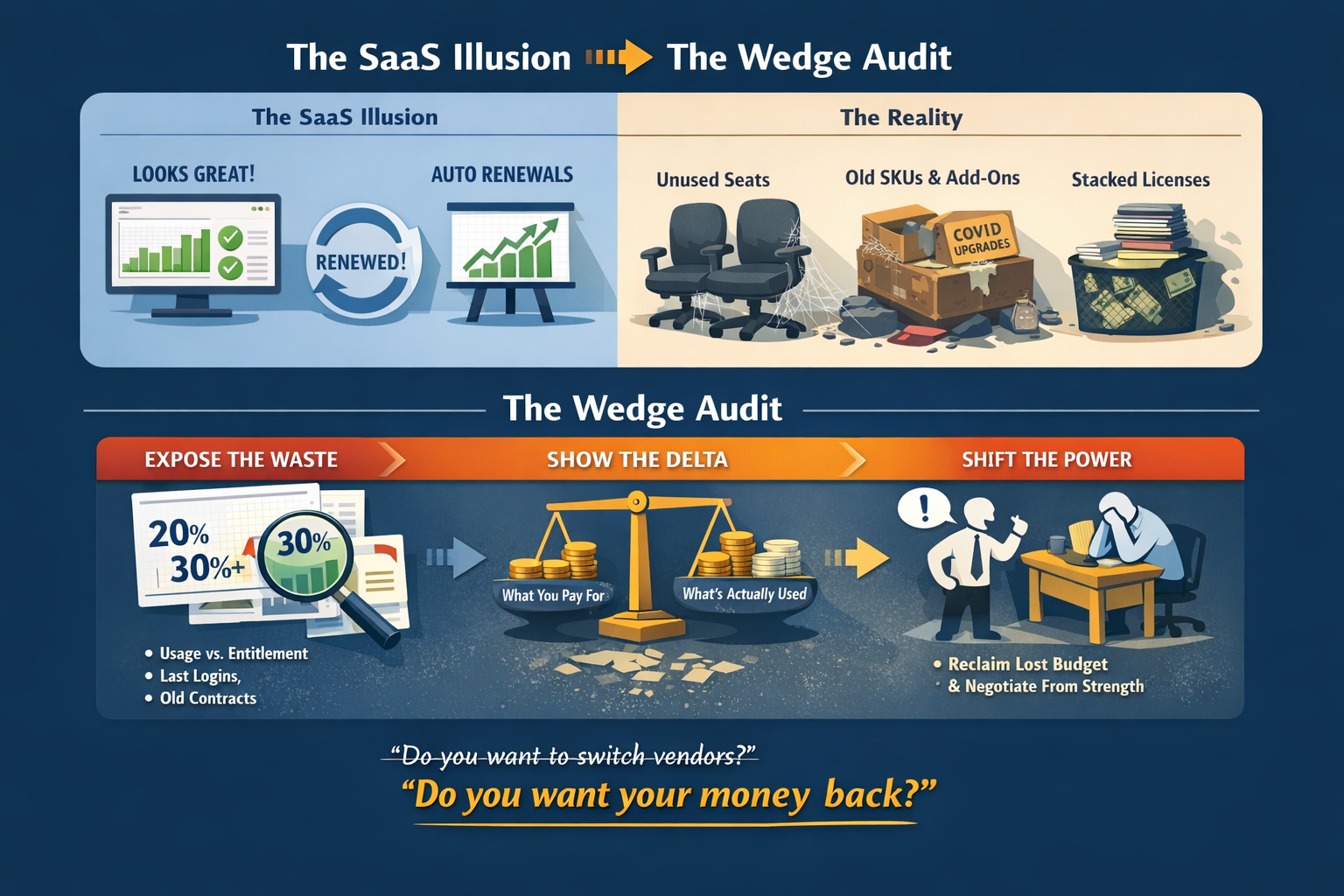
That's the opening. That's where the wedge audit comes into play. It's not a better solution, pitch it's not a feature comparison; you're not selling a better, brighter future. You don't ask for trust; you prove negligence on account of their current partner. And once the customer sees the negligence of their current partner, they've already got 1 foot out the door.
Here's the uncomfortable truth most partners won't say out loud: over licensing isn't an accident. It's a business model.
Microsoft knows it's happening; their current partner knows it's happening, but they're both reaping the benefits, so why would they clean it up?
The sales team sells to peaks, never on averages. Procurement optimizes for speed, not precision. IT owners inherit large budgets, and they don't have the time to reopen or examine them. Everyone benefits from letting excess sit there quietly, except the customer. And then you show up.
The wedge audit works because it reframes the buying decision. You're not asking whether you want to switch vendors? You're not asking for additional money from their budget. You're not even attacking their current vendor. You're asking them if they want to save money.
That's a very different conversation.
I've seen this play out the same way repeatedly. Everyone thinks they're well managed. Some have even said, “their vendors help us optimize”.
Our reports indicate that most companies are spending 20% or more on Microsoft 365 that is not being used. 30% happens more than anyone’s willing to admit. On a 7-figure SAAS contract that should be called malpractice.
This is where the wedge goes in.
You don't come in swinging. You don't insult or attack their current partner. You just lay the facts on the table. Calm. Almost boring. Like seeing these kinds of numbers, seeing this much waste, it is a normal part of your day. You just lay out the facts.
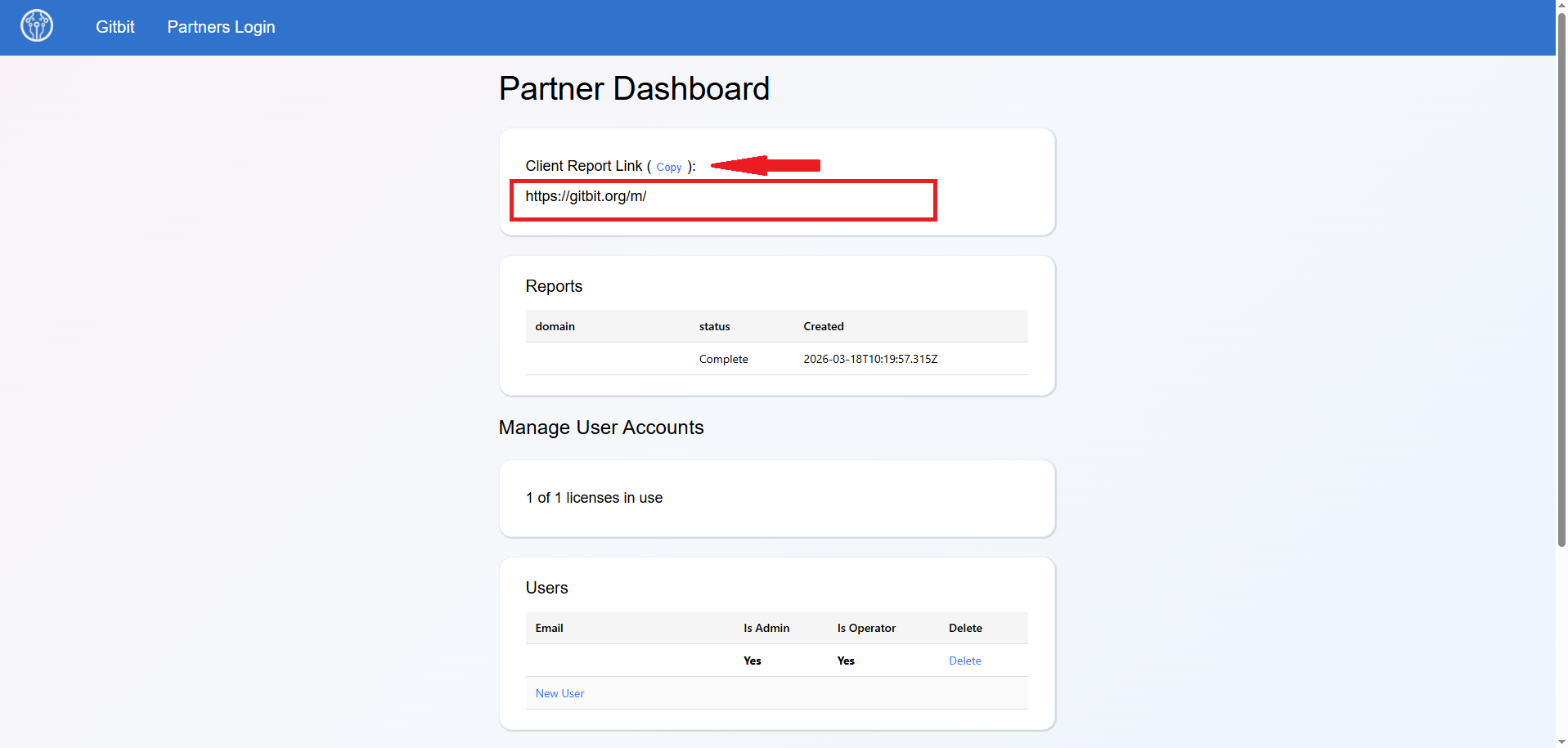
“Here’s what you’re currently paying. Here’s what you’re currently using. Here’s how much you should be spending.”
Then you stop talking. Now they have a problem they didn't know they had. Once they see it, they won't be able to unsee it. The relationship shifts. Trust in their current partner erodes. from then from then on from then on every from t from then on every upsell their current partner attempts to make feels like a cash grab. And you didn't even sell anything yet.
That's the genius of the wedge audit. It kills the budget objection before it's spoken. It says, “We’re on your side. We’re doing what’s best for you.” Without sounding like a sales pitch.
What really seals the deal from them switching to you is a small reminder you leave with them. If they don't do these audits quarterly, twice a year, or even yearly, their spending will grow out of control again. That's why they need you.
This isn't about being cheaper; this isn't about selling more services. It's about precision. By demonstrating your financial literacy, you're showing the customer that you have the skills to keep their budget tight. You’re not another salesman trying to make a buck. You’re a partner. One they can trust.
You're not more expensive than their current partner, and you're not a lower-class, cheaper partner. You're the partner who pays attention.
You're not shouting. You're not begging. You're simply telling them the truth. That you're essential. That you pay for yourself with one simple license audit.